Blog

  • Preparing for Pregnancy: A Journey Towards Joyful Childbirth

    Preparing for Pregnancy: A Journey Towards Joyful Childbirth

    Bringing a new life into the world is an extraordinary experience that fills the hearts of parents with immense happiness and anticipation. It marks the beginning of a transformative journey, where couples embark on a path to prepare themselves physically, mentally, and emotionally for the arrival of their little bundle of joy. In this article, we will delve into the various aspects of preparing for pregnancy, including lifestyle changes, diet, and fitness regimes, understanding the health background of the couple, and addressing the common concerns of stress, disorders, and anxiety during pregnancy.

    Preconception Preparation: Nurturing the Seed of Life

    Before conception takes place, it is crucial for couples to address any preconception issues and gather essential knowledge about childbirth. Consulting with a physician or midwife can provide valuable insights and help both partners understand the realities of the journey they are about to undertake. Physical preparation is necessary, as pregnancy brings about profound changes in a woman’s body. A caregiver can guide and assist in preparing the body for conception while offering information about potential pregnancy complications. It is natural to experience anxiety during this phase, given the need to follow precautions and ensure a healthy pregnancy. Seeking advice on preconception matters, safety precautions, lifestyle modifications, prenatal vitamins, and the significance of folic acid equips women with the necessary knowledge to prepare for the miracle of childbirth.

    Lifestyle Changes: Nurturing a Healthy Environment

    Preparing for pregnancy entails embracing lifestyle changes that promote optimal health for both the mother and the baby. Eliminating harmful habits such as smoking and alcohol consumption is paramount, as these can severely impact the well-being of both the woman and her unborn child. Additionally, a woman may need to achieve a healthy weight, tailored to her specific height and build, as being underweight or overweight can pose complications during pregnancy. Establishing a fitness regime that aligns with the stages of pregnancy is a great way to support the body’s changing needs. Consulting with a physician regarding nutrition and suitable exercises empowers women to make informed choices about their well-being and the development of their baby.

    Understanding the Woman’s Body: A Journey of Discovery

    Educating oneself about the intricacies of the female body during pregnancy is essential for gaining a comprehensive understanding of the process. Each aspect of a woman’s anatomy plays a vital role in this transformative period. Discussing any existing disorders or health conditions with a healthcare provider enables couples to gather valuable health background information and address potential concerns. It is crucial to acknowledge that anxiety and stress are common during pregnancy, considering factors such as scheduling, sexuality, and self-esteem, among others. Open communication with healthcare professionals and loved ones can provide much-needed support and reassurance during this critical stage.

    Building Confidence and Seeking Guidance: Embracing the Journey

    Confidence plays a significant role in preparing for pregnancy. Couples must feel prepared to welcome a child into their lives and navigate the joys and challenges that lie ahead. Recognizing early pregnancy symptoms empowers couples to anticipate forthcoming changes. Regular visits to an Obstetrician/Gynecologist (OBGYN) provide an opportunity to gather more information, ask questions, and address any concerns. Utilizing a pregnancy calendar can help track the progress of pregnancy, ensuring a sense of involvement and preparation.

    Managing Anxiety: Embracing Peaceful Expectancy

    It is natural for women to experience anxiety when they discover they are pregnant. Feelings of worry and tension may arise as they contemplate the unknowns of childbirth. However, by spending quality time with their partners, maintaining regular visits to the OBGYN, prioritizing relaxation and self-care, and engaging in suitable exercise, anxiety can be effectively managed. Focusing on the joyful anticipation of welcoming a new life can alleviate unnecessary worry, leaving room for excitement and a peaceful state of mind.

    During pregnancy, it is important for expectant mothers to prioritize their mental well-being. Spending quality time with their partners can provide a sense of emotional support and reassurance. Engaging in activities together, such as taking walks, attending prenatal classes, or simply having heartfelt conversations, can strengthen the bond between couples and alleviate anxiety.

    Regular visits to the OBGYN serve as a source of reliable information and guidance. Doctors and healthcare professionals are equipped to address any concerns or questions that arise during pregnancy. They can provide updates on the progress of the pregnancy, offer advice on prenatal care, and address any potential complications or risks. By maintaining a consistent relationship with their healthcare provider, expectant mothers can feel more secure and confident throughout their journey.

    In addition to medical support, focusing on relaxation and self-care is crucial for managing anxiety during pregnancy. Taking time for oneself and engaging in activities that promote relaxation can significantly reduce stress levels. This may include practices such as deep breathing exercises, meditation, prenatal yoga, or indulging in a warm bath. Finding moments of tranquility amidst the busyness of daily life can have a profound impact on mental well-being.

    Physical exercise tailored to the needs of pregnancy can also play a significant role in reducing anxiety. Engaging in safe and suitable exercise routines can release endorphins, which are known to boost mood and promote a sense of well-being. Whether it’s taking gentle walks, swimming, or participating in prenatal fitness classes, regular physical activity can enhance overall emotional health and alleviate stress.

    It is important to remember that anxiety during pregnancy is a common experience for many women. However, if anxiety becomes overwhelming or begins to interfere with daily life, it is crucial to seek professional help. Mental health professionals with expertise in prenatal and postnatal care can provide specialized support and guidance.

    As expectant mothers prepare for the arrival of their little ones, managing anxiety and nurturing a peaceful mindset is essential. By focusing on the positive aspects of pregnancy, seeking support from loved ones and healthcare professionals, practicing relaxation techniques, and engaging in suitable exercise, women can embrace the journey with a sense of calm and excitement. Remember, pregnancy is a remarkable and transformative time in a woman’s life, and by prioritizing mental well-being, expectant mothers can create a nurturing environment for themselves and their unborn children.

  • Unraveling the Alzheimer’s Disease: Causes, Symptoms, and Care

    Unraveling the Alzheimer’s Disease: Causes, Symptoms, and Care

    Do you ever find yourself walking into a room and forgetting why you came in there? Or maybe you have trouble remembering names and faces? We’ve all been there. But imagine if that forgetfulness became a part of your daily life, to the point where it affected your ability to function and live independently. That’s where Alzheimer’s disease comes in. It’s a progressive brain disorder that affects memory, thinking, and behavior, ultimately leading to the loss of cognitive functions. While the cause of Alzheimer’s disease is not entirely understood, research suggests that it may be due to a combination of genetic, environmental, and lifestyle factors. But don’t worry, we’re here to break it all down for you and help you understand this complex disease. So buckle up, grab a cup of tea, and let’s dive into more details:

    The Different Types of Alzheimer’s Disease & Their Symptoms

    Alzheimer’s disease is not a one-size-fits-all diagnosis. There are different types of Alzheimer’s, each with its own set of symptoms and characteristics. Let’s take a closer look at the various types:

    Type 1 Alzheimer’s Disease: This is the most common type of Alzheimer’s and is characterized by memory loss, difficulty in performing routine tasks, and challenges with decision-making and problem-solving. As the disease progresses, individuals may experience mood swings and changes in personality.

    Type 2 Alzheimer’s Disease: This type of Alzheimer’s is less common and typically affects younger individuals. It can progress more quickly than Type 1 and can cause symptoms like language problems, coordination issues, and difficulty with spatial awareness.

    Early-Onset Alzheimer’s Disease: This type of Alzheimer’s affects individuals before the age of 65 and can have a more rapid onset than late-onset Alzheimer’s. Symptoms can include memory loss, confusion, and difficulty with language and spatial awareness.

    Late-Onset Alzheimer’s Disease: This is the most common type of Alzheimer’s and typically affects individuals over the age of 65. Symptoms can include memory loss, difficulty in making decisions, and changes in mood and personality.

    It’s important to note that while the different types of Alzheimer’s disease may have varying symptoms and characteristics, they all ultimately result in the deterioration of brain function and cognitive abilities.

    Diagnosis & Treatment Options for Alzheimer’s Disease

    Diagnosing Alzheimer’s disease is a complex process that involves various medical tests and evaluations. It typically begins with a thorough medical history and physical examination, followed by neurological and cognitive tests to evaluate memory, thinking, and language abilities. Other tests, such as brain imaging studies and blood tests, may also be conducted to rule out other conditions that may cause similar symptoms.

    Treatment options for Alzheimer’s disease include medications, lifestyle changes, and supportive care. Medications such as cholinesterase inhibitors and memantine can help improve cognitive function and slow down the progression of the disease. Lifestyle changes such as regular exercise, a healthy diet, and social engagement can also be beneficial for managing symptoms and improving quality of life. Supportive care such as occupational therapy and counseling can help patients and their families cope with the emotional and psychological effects of the disease. While there is no cure for Alzheimer’s disease, early diagnosis, and intervention can help manage symptoms and improve the overall quality of life.

    Preventive Measures to Reduce the Risk of Developing Alzheimer

    Here are some fun and exciting ways to help keep your brain healthy and potentially lower your risk:

    Exercise your brain: Just like your muscles, your brain needs exercise too! Keep your brain active by doing puzzles, reading books, learning new skills, and engaging in other mentally stimulating activities.

    Get moving: Exercise is not only good for your physical health, but it’s also great for your brain! Regular exercise can help improve blood flow and oxygen to the brain, which can help reduce the risk of cognitive decline.

    Eat a healthy diet: What you eat can also affect your brain health. Aim for a diet rich in fruits, vegetables, whole grains, lean protein, and healthy fats like omega-3s.

    Stay socially active: Staying connected with family and friends can also help keep your brain healthy. Social engagement has been linked to a reduced risk of cognitive decline.

    Get enough sleep: Sleep plays a crucial role in brain health. Aim for 7-8 hours of quality sleep each night to help keep your brain functioning at its best.

    By following these preventive measures, you can help keep your brain healthy and potentially lower your risk of developing Alzheimer’s disease. So, let’s get started and give your brain the love and care it deserves!

    How to Care for Someone with Alzheimer’s Disease

    Caring for someone with Alzheimer’s disease can be challenging, but it can also be a rewarding experience. Here are some tips to help you care for your loved one:

    Be patient and understanding: People with Alzheimer’s disease can become confused and forgetful. It’s important to be patient and understanding, even when they repeat themselves or ask the same question multiple times.

    Keep them engaged: Engaging in activities like puzzles, games, and reading can help your loved one stay mentally active and improve their quality of life.

    Maintain a routine: Having a consistent daily routine can help people with Alzheimer’s disease feel more secure and reduce anxiety.

    Keep them safe: People with Alzheimer’s disease can become disoriented and wander off. Make sure that their living space is safe and secure, with locks on doors and windows.

    Seek support: Caring for someone with Alzheimer’s disease can be emotionally taxing. Seek support from family, friends, or a support group.

    Get professional help: If you’re struggling to care for your loved one, consider hiring a professional caregiver or seeking assistance from a healthcare provider.

    Remember, caring for someone with Alzheimer’s disease is a team effort. With patience, understanding, and support, you can help your loved one live a fulfilling life.

  • Pulmonary Alveolar Microlithiasis: Symptoms, Causes, Diagnosis & Treatment

    Pulmonary Alveolar Microlithiasis: Symptoms, Causes, Diagnosis & Treatment

    Pulmonary Alveolar Microlithiasis (PAL) is a rare lung disorder that affects the tiny air sacs in the lungs known as alveoli. This condition is characterized by the accumulation of tiny calcium phosphate stones, called microliths, in the alveoli, which can lead to breathing difficulties, coughing, and chest pain. Although it is a rare condition, it can have a significant impact on an individual’s quality of life. In this article, we will explore the causes, symptoms, diagnosis, and treatment options for PAL.

    What are the Causes and Risk Factors of Pulmonary Alveolar Microlithiasis

    The exact cause of pulmonary alveolar microlithiasis (PAL) is still unknown. However, researchers believe that it is caused by genetic mutations that result in the accumulation of calcium deposits in the lungs. This can lead to the formation of small stones or microliths within the air sacs of the lungs, which can interfere with breathing and lung function over time.

    There is also evidence to suggest that certain environmental factors, such as exposure to dust and pollutants, may exacerbate the condition. However, more research is needed to fully understand the relationship between these factors and the development of PAL.

    In terms of risk factors, PAL is a rare genetic disorder that is most commonly seen in individuals with a family history of the condition. It is more common in certain populations, such as those of Italian or Japanese descent. Additionally, the condition is most often diagnosed in individuals between the ages of 20 and 50, although it can occur at any age.

    What are the Common Symptoms of Pulmonary Alveolar Microlithiasis?

    Some common symptoms of pulmonary alveolar microlithiasis (PAL) are:

    • Shortness of breath during physical activity, and in severe cases, even while resting
    • Dry cough that does not go away
    • Chest pain or discomfort
    • Fatigue and weakness
    • Rapid breathing
    • Weight loss and loss of appetite
    • Clubbing of fingers and toes (enlarged fingertips with nails that curve around the ends)
    • Wheezing and crackling sounds in the lungs during breathing.

    It is important to note that not all people with PAL experience all of these symptoms, and some may have no symptoms at all. If you experience any of these symptoms, especially if they persist or worsen over time, it is important to see a doctor for proper evaluation and diagnosis.

    Diagnosis & Treatment Options for Pulmonary Alveolar Microlithiasis

    To accurately diagnose PAL, imaging tests are crucial. The following are the most commonly used medical imaging tests for PAL diagnosis:

    • X-ray: A chest X-ray is often the first test performed to detect lung abnormalities. In PAL patients, X-rays may show a “sandstorm” appearance in the lungs due to the presence of tiny calcified nodules.
    • High-resolution CT (HRCT): HRCT is a more detailed imaging test that can identify the extent and severity of calcifications in the lungs. HRCT can also help differentiate PAL from other lung diseases.

    Once a PAL diagnosis is confirmed, treatment options may depend on the severity of the disease and the symptoms that the patient experiences. Currently, there is no cure for PAL, but there are several treatments that can help manage symptoms and slow the progression of the disease, including:

    • Bronchial hygiene therapy: This therapy involves breathing exercises and physical therapy techniques to help clear mucus from the airways and improve lung function.
    • Corticosteroids: These anti-inflammatory medications can help reduce inflammation in the lungs and improve breathing in some PAL patients.
    • Lung transplantation: In severe cases of PAL, lung transplantation may be the only option for treatment. However, this option carries significant risks and is only recommended for patients with advanced disease and limited life expectancy.

    It is essential to work closely with a healthcare provider who has experience managing PAL to determine the best course of treatment.

    Living with Pulmonary Alveolar Microlithiasis – Tips & Strategies

    Living with a rare disease like Pulmonary Alveolar Microlithiasis (PAL) can be challenging, but it’s important to remember that you’re not alone. Here are some tips and strategies that can help you manage your condition and live a fulfilling life:

    1. Stay informed: Knowledge is power, so make sure to educate yourself about your condition. Stay up to date on the latest research and treatment options by consulting with your doctor and attending support groups.
    2. Follow your treatment plan: Stick to your prescribed treatment plan, including medication, oxygen therapy, and regular check-ups with your doctor. These measures can help slow the progression of PAL and manage symptoms.
    3. Manage symptoms: Depending on the severity of your PAL, you may experience shortness of breath, chest pain, and coughing. Practice breathing techniques, such as pursed lip breathing, to ease shortness of breath. Take pain medication as prescribed by your doctor and use heating pads or hot water bottles to alleviate chest pain.
    4. Exercise regularly: Exercise can help improve lung function and overall health. Consult with your doctor to determine a safe and effective exercise plan that meets your needs.
    5. Maintain a healthy lifestyle: Eat a balanced diet, get enough sleep, and avoid smoking and exposure to secondhand smoke, which can exacerbate your symptoms.
    6. Seek emotional support: Coping with PAL can be emotionally challenging. Seek support from loved ones, join a support group, or talk to a mental health professional to help manage stress and anxiety.

    Remember, living with PAL requires patience and persistence, but it’s important to stay positive and focus on the things you can control. By taking care of yourself and seeking support, you can lead a fulfilling life with this rare disease.

  • 10 Rare Diseases You Need to Know About

    10 Rare Diseases You Need to Know About

    Have you ever heard of diseases that are so rare that they affect only a few people in the world? These lesser-known conditions may not be as common as the flu or a cold, but they still deserve attention. In fact, learning about these rare diseases can help us better understand the human body and appreciate the incredible diversity of the human experience. So buckle up and get ready to explore the world of rare diseases – from the bizarre to the heartbreaking, and everything in between.

    1. Acromegaly

    Acromegaly is a rare condition caused by an overproduction of growth hormones. This leads to the growth of bones and tissues in the body, resulting in a number of symptoms such as enlarged facial features, hands and feet, joint pain, fatigue, and headaches. The condition can also cause serious health complications such as cardiovascular disease, diabetes, and sleep apnea. Treatment options include medication, surgery, and radiation therapy.

    2. Amyloidosis

    Amyloidosis is a rare disease caused by the buildup of abnormal proteins in various organs and tissues throughout the body. Symptoms can vary widely depending on which organs are affected but may include fatigue, weight loss, swelling in the legs and ankles, shortness of breath, and abnormal heart rhythms. Treatment options vary depending on the type of amyloidosis but may include medication, chemotherapy, stem cell transplant, or supportive care.

    3. Cystic Fibrosis

    Cystic fibrosis is an inherited disease that affects the lungs and digestive system. The disease is caused by a defective gene that results in the production of thick, sticky mucus in the lungs and digestive tract. This can lead to a number of symptoms such as chronic cough, frequent lung infections, difficulty breathing, poor growth, and digestive problems. Treatment options include medication, airway clearance techniques, and lung transplants.

    4. Fabry Disease

    Fabry disease is a rare genetic disorder that causes a buildup of a type of fat in the body called globotriaosylceramide. This buildup can damage the kidneys, heart, and nervous system. Symptoms can include pain and numbness in the hands and feet, skin rashes, hearing loss, vision problems, and gastrointestinal issues. Treatment options include enzyme replacement therapy, medications for pain management, and supportive care.

    5. Huntington’s Disease

    Huntington’s disease is a rare genetic disorder that causes the degeneration of nerve cells in the brain. This can lead to a number of symptoms such as movement disorders, cognitive decline, and psychiatric problems.

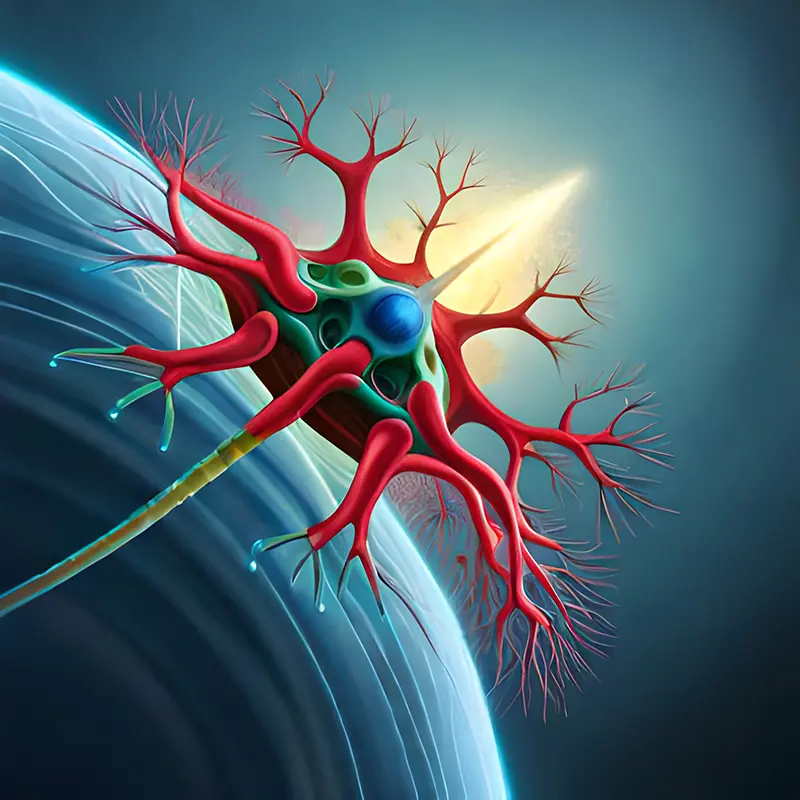
    Degeneration of nerve cells in the Brain – Symbolic Image

    Symptoms typically develop in middle age, but can appear earlier or later. There is currently no cure for Huntington’s disease, but treatment options include medication to manage symptoms, occupational and physical therapy, and support groups for patients and caregivers.

    6. Lymphangioleiomyomatosis

    Lymphangioleiomyomatosis, also known as LAM, is a rare lung disease that affects mostly women of childbearing age. The disease causes abnormal growth of smooth muscle cells in the lungs, which can lead to breathing difficulties, collapsed lungs, and other complications. Symptoms include shortness of breath, coughing, chest pain, and fatigue. Although there is no cure for LAM, treatment options such as lung transplant, medication, and oxygen therapy can help manage symptoms and improve quality of life.

    7. Niemann-Pick Disease

    Niemann-Pick Disease is a rare genetic disorder that affects the body’s ability to metabolize fats, leading to a buildup of fatty substances in various organs and tissues. There are several types of Niemann-Pick Disease, with varying severity and symptoms. Common symptoms include jaundice, enlarged liver and spleen, developmental delays, and difficulty coordinating movements. While there is currently no cure for Niemann-Pick Disease, treatments such as medication, enzyme replacement therapy, and bone marrow transplant can help manage symptoms and improve quality of life.

    8. Pompe Disease

    Pompe Disease is a rare genetic disorder that causes the buildup of a complex sugar molecule called glycogen in the body’s cells, particularly in the muscles. This buildup can lead to muscle weakness, breathing difficulties, and other complications. Symptoms usually begin in early childhood and can range from mild to severe. Treatment options include enzyme replacement therapy, respiratory support, and physical therapy to manage symptoms.

    9. Prader-Willi Syndrome

    Prader-Willi Syndrome is a rare genetic disorder that affects many parts of the body, leading to a wide range of symptoms and complications. Some of the common symptoms include an insatiable appetite, low muscle tone, intellectual disabilities, and behavioral problems. Treatment options for Prader-Willi Syndrome include hormone therapy, medication, and behavioral therapy to help manage symptoms.

    10. Wilson’s Disease

    Wilson’s Disease is a rare genetic disorder that causes the buildup of copper in the body, leading to damage to the liver, brain, and other organs. Symptoms can vary widely and include jaundice, tremors, difficulty coordinating movements, and psychiatric problems. Treatment options for Wilson’s Disease include medication to remove excess copper from the body, dietary changes, and liver transplants in severe cases.

    Despite being rare, these diseases can have a significant impact on the lives of those affected and their families. Early diagnosis and treatment can help manage symptoms and improve the quality of life for those living with these conditions.

  • Exploring Various Health Insurance Plans: Pros and Cons

    Exploring Various Health Insurance Plans: Pros and Cons

    Introduction: What are the Different Types of Health Insurance Plans?

    Health insurance is an essential part of healthcare that provides financial coverage for medical expenses. There are various types of health insurance plans available to choose from, and understanding the differences between them is crucial for selecting the right one. This post will explore the different types of health insurance plans and their coverage options, allowing you to decide on your healthcare needs.

    The Pros and Cons of Managed Care Health Insurance Plans

    Managed care health insurance plans are a type of health insurance plan that seeks to control healthcare costs by managing the quality and cost of medical services provided to its members. These plans typically involve a network of healthcare providers that have agreed to provide services to members of the plan at a discounted rate.

    One type of managed care plan is a Health Maintenance Organization (HMO), which requires members to choose a primary care physician (PCP) who will manage all of their healthcare needs. In an HMO plan, members must receive all of their medical care from healthcare providers within the plan’s network and must obtain referrals from their PCP to see specialists. The main benefit of an HMO plan is that it generally has lower out-of-pocket costs for members, but the main drawback is the lack of flexibility in choosing healthcare providers.

    Another type of managed care plan is a Preferred Provider Organization (PPO), which also has a network of healthcare providers that offer services to members at a discounted rate. However, PPO members have more flexibility in choosing healthcare providers and do not need to obtain referrals to see specialists. The main benefit of a PPO plan is the flexibility to choose providers, but the main drawback is that it generally has higher out-of-pocket costs for members.

    Overall, the pros of managed care plans include lower out-of-pocket costs, access to a network of healthcare providers, and a focus on preventive care. The cons include the limited choice of healthcare providers, potential delays in obtaining medical care, and restrictions on certain medical procedures or treatments. Ultimately, the choice of a health insurance plan depends on individual healthcare needs and preferences.

    Understanding High Deductible Health Plans & How They Work

    A high deductible health plan (HDHP) is a type of health insurance plan that has a higher deductible than traditional plans. The deductible is the amount you must pay out of pocket before your insurance kicks in. In an HDHP, the deductible is typically higher than $1,400 for an individual and $2,800 for a family.

    The idea behind HDHPs is that they come with lower monthly premiums, which can make health insurance more affordable for those who don’t use a lot of medical services. However, the high deductible means that you’ll have to pay more out of pocket for healthcare services until you reach your deductible.

    Once you meet your deductible, your insurance will start covering a portion of the cost of healthcare services. Depending on the plan, you may still be responsible for a co-insurance or co-payment.

    High-deductible health plans are often paired with a health savings account (HSA), which is a tax-advantaged savings account that can be used to pay for qualified medical expenses.

    While HDHPs can be a good option for some people, they may not be the best choice for those who require regular medical care. It’s essential to carefully consider the benefits and drawbacks of an HDHP before selecting it as your health insurance plan.

    Comparing Traditional Health Insurance & Consumer-Driven Options

    When it comes to healthcare coverage, individuals have a range of options to choose from. Traditional health insurance plans and consumer-driven options are two such options that are popular among people.

    Traditional health insurance plans typically involve paying a monthly premium to an insurance company, which then covers the costs of medical services. These plans often come with a set deductible, copay, and coinsurance that individuals need to pay when receiving medical services.

    On the other hand, consumer-driven options for healthcare coverage include high deductible health plans (HDHPs) and health savings accounts (HSAs). HDHPs have lower monthly premiums but higher deductibles compared to traditional plans. HSAs are savings accounts that individuals can use to pay for medical expenses tax-free.

    The advantages of traditional health insurance plans include a wider range of coverage, fewer out-of-pocket costs, and more predictable expenses. However, these plans often have higher monthly premiums and limited options for choosing medical providers.

    Consumer-driven options such as HDHPs and HSAs offer lower monthly premiums, greater flexibility in choosing healthcare providers, and the ability to save for medical expenses tax-free. However, they may come with higher out-of-pocket costs, particularly for those who require frequent medical services.

    It is important for individuals to carefully consider their healthcare needs and budget when choosing between traditional health insurance plans and consumer-driven options. Consulting with a healthcare professional or insurance provider can also help individuals make informed decisions.

    The Benefits & Drawbacks of Short-Term Health Insurance Policies

    Short-term health insurance policies are designed to provide temporary health coverage for people who are in between insurance plans. These policies typically offer lower premiums than traditional health insurance plans, making them an attractive option for those who cannot afford to pay for a long-term strategy. However, there are some drawbacks to short-term health insurance policies that you should be aware of.

    One of the most significant benefits of short-term health insurance policies is their affordability. These policies typically have lower monthly premiums than traditional plans, which can make them a good option for those on a tight budget. They are also relatively easy to apply for and can often be approved quickly, allowing you to have coverage when needed.

    However, short-term health insurance policies also have some drawbacks. First, they often do not cover pre-existing conditions, which can be a problem for those who have ongoing health issues. Additionally, these policies typically offer limited coverage, which means that you may not be covered for all of the services that you need.

    Overall, short-term health insurance policies can be a good option for those who are in good health and need temporary coverage. However, if you have ongoing health issues or need comprehensive coverage, a traditional health insurance plan may be a better choice.

    Conclusion

    In conclusion, understanding the different types of health insurance plans and comparing their benefits and drawbacks is essential for making an informed decision about healthcare coverage. Managed care health insurance plans offer cost savings and coordinated care, but limit provider choice. High-deductible health plans provide low monthly premiums but high out-of-pocket costs. Traditional health insurance plans offer comprehensive coverage but can be expensive. Consumer-driven options, such as Health Savings Accounts, allow for more control over healthcare spending but require more financial responsibility. Short-term health insurance policies offer flexibility and lower premiums but limited coverage and potential gaps in care. It’s important to carefully evaluate each option based on individual needs and budget before making a decision.

  • 7 Proven Strategies for Fast Weight Loss: Your Ultimate Guide

    7 Proven Strategies for Fast Weight Loss: Your Ultimate Guide

    Losing weight can be a challenging and frustrating journey, especially if you’re looking to shed those extra pounds quickly. With so many weight loss strategies and fad diets out there, it’s easy to feel overwhelmed and unsure of where to start.

    But the good news is that there are proven ways to lose weight fast and achieve your goals. Whether you’re looking to fit into a new outfit for a special occasion or simply want to feel more confident and healthy, the following strategies can help you get there.

    From increasing your protein intake to cutting out carbs and sugar to incorporating intermittent fasting and high-intensity interval training into your routine, we’ll explore seven effective and science-backed ways to help you lose weight fast.

    So, if you’re ready to take charge of your health and transform your body, keep reading to discover the ultimate guide to losing weight quickly and effectively.

    1. Increase Your Protein Intake for Faster Weight Loss

    If you’re looking to shed pounds quickly, one of the most effective strategies is to increase your protein intake. Not only does protein help you feel full and satisfied, but it also helps build and maintain lean muscle mass, which can help boost your metabolism and burn more calories.

    In fact, research shows that incorporating protein into your diet can lead to significant weight loss results. One study found that increasing protein intake from 15% to 30% of total daily calories resulted in an average weight loss of 11 pounds over a 12-week period.

    So, what are the best proteins for weight loss? Some top protein-rich foods include chicken, turkey, fish, tofu, eggs, and Greek yogurt. Incorporating these foods into your diet can help you feel fuller for longer periods of time, reducing the likelihood of overeating and promoting weight loss.

    But don’t just take our word for it. The proof is in the pudding (or rather, the protein). A recent survey found that people who incorporated more protein into their diets lost an average of 4.9 pounds over four weeks, compared to just 1.8 pounds lost by those who didn’t increase their protein intake.

    So, if you’re looking for a tasty and effective way to lose weight quickly, load up on protein-rich foods and start seeing the results for yourself.

    2. Cut Carbs and Sugar from Your Diet for Maximum Results

    When it comes to losing weight quickly, cutting carbs and sugar from your diet can be a game-changer. Carbohydrates and sugars are the body’s primary sources of energy, but when consumed in excess, they can lead to weight gain and even obesity.

    By adopting a low-carb or no-sugar diet plan, you can help your body shift from using glucose as its primary fuel source to using stored fat instead. This process, known as ketosis, can lead to significant weight loss results.

    Research has shown that low-carb diets can lead to an average weight loss of 2-3 times more than traditional low-fat diets. In fact, a study found that participants who followed a low-carb diet for six months lost an average of 18 pounds, compared to just 9 pounds lost by those who followed a low-fat diet.

    Cutting carbs and sugar from your diet can also help control blood sugar levels, reduce cravings, and promote feelings of fullness, all of which can lead to more sustainable weight loss.

    Some examples of low-carb foods include non-starchy vegetables, meats, poultry, fish, nuts, and seeds. As for sugar, try replacing it with natural sweeteners like stevia or monk fruit to satisfy your sweet tooth without derailing your weight loss efforts.

    3. Intermittent Fasting is an Effective Way to Burn Fat Quickly

    Intermittent fasting is a popular weight loss strategy that involves alternating periods of eating with periods of fasting. This approach can be highly effective for burning fat quickly, as it helps your body tap into stored fat for energy during the fasting period.

    One of the most popular intermittent fasting schedules is the 16/8 method, which involves fasting for 16 hours and eating during an 8-hour window. This can be a highly sustainable and effective approach, as it can help reduce overall calorie intake while still allowing you to eat satisfying and nutritious meals.

    But the benefits of intermittent fasting go beyond weight loss. Studies have shown that it can also lead to improvements in insulin sensitivity, blood sugar control, and even brain function.

    Intermittent fasting has also been found to be highly effective in reducing belly fat, which is often associated with an increased risk of chronic diseases like diabetes and heart disease.

    But what’s most impressive about intermittent fasting is its sustainability. Unlike traditional diets that often lead to feelings of deprivation and restriction, intermittent fasting can be incorporated into your lifestyle in a way that feels natural and enjoyable.

    4. High-Intensity Interval Training (HIIT): Burn Calories in Half the Time

    High-Intensity Interval Training (HIIT) is a type of workout that involves short bursts of intense exercise followed by periods of rest or low-intensity exercise. This approach has become increasingly popular in recent years due to its ability to burn calories in half the time of traditional cardio workouts.

    Studies have shown that HIIT workouts can be highly effective for burning fat and improving overall fitness levels. In fact, one study found that just 15 minutes of HIIT training can burn more calories than an hour of steady-state cardio.

    The great thing about HIIT workouts is that they can be tailored to your fitness level and preferences. Beginners can start with low-impact exercises like jumping jacks and squats, while more advanced exercisers can incorporate movements like burpees and sprints for an even greater challenge.

    Another benefit of HIIT workouts is that they can be done anywhere, anytime, with little to no equipment required. This makes them a convenient and effective option for those with busy schedules or limited access to a gym.

    If you’re new to HIIT workouts, it’s important to start slow and gradually increase the intensity and duration of your workouts over time. And as with any new exercise routine, be sure to consult with your healthcare provider before getting started.

    5. Drink Plenty of Water to Boost Your Metabolism and Control your Appetite

    Drinking plenty of water is an often-overlooked weight loss strategy that can be highly effective for boosting your metabolism and controlling your appetite. Not only does drinking water help to flush out toxins and waste products from your body, but it can also help you feel fuller and more satisfied, reducing the urge to snack or overeat.

    Research has shown that drinking water can help increase your metabolism, allowing you to burn more calories throughout the day. In fact, one study found that drinking 500 ml of water can increase metabolic rate by up to 30% for up to 90 minutes.

    In addition to boosting your metabolism, drinking water can also help you control your appetite. Oftentimes, we mistake thirst for hunger, leading us to eat when our body is actually just dehydrated. By drinking plenty of water throughout the day, you can help reduce these false hunger signals and avoid unnecessary snacking or overeating.

    So how much water should you be drinking for weight loss? The general recommendation is to aim for at least 8 glasses (64 ounces) of water per day, but this can vary based on factors like your age, weight, activity level, and climate. It’s important to listen to your body and drink enough water to stay hydrated and satiated throughout the day.

    In addition to drinking plain water, you can also incorporate other hydrating beverages like herbal tea, coconut water, or infused water with fresh fruits and herbs to add flavor and variety to your hydration routine.

    6. Get Enough Sleep to Regulate Hormones and Aid Weight Loss

    Getting enough sleep is crucial for overall health and well-being, and it can also play a significant role in weight loss. When we don’t get enough sleep, our hormones become imbalanced, which can increase our appetite, make us crave unhealthy foods, and slow down our metabolism.

    Research has shown that sleep deprivation can lead to an increase in the hormone ghrelin, which stimulates hunger and food intake, while decreasing levels of the hormone leptin, which signals feelings of fullness and satiety. This can lead to overeating and weight gain over time.

    On the other hand, getting enough sleep can help regulate these hormones and support weight loss efforts. One study found that participants who slept for 7-8 hours per night had a lower body mass index (BMI) and lower levels of ghrelin compared to those who slept for less than 6 hours per night.

    In addition to regulating hormones, getting enough sleep can also improve our energy levels and mental clarity, making it easier to stick to a healthy diet and exercise routine. When we’re well-rested, we’re more likely to make better choices and have the motivation and energy to exercise regularly.

    So how much sleep do you need for weight loss? The recommended amount of sleep varies by age, but adults should aim for 7-9 hours of sleep per night to support overall health and weight loss efforts.

    7. Track Your Progress and Stay Motivated for Long-Term Success

    Tracking your progress and staying motivated are essential components of long-term weight loss success. Without a way to track your progress, it can be challenging to stay motivated and know if you’re making progress toward your goals. Here are some tips for tracking your progress and staying motivated:

    1. Keep a food diary: One effective way to track your progress is by keeping a food diary. Write down everything you eat and drink, including portion sizes and calories. This can help you stay accountable and make healthier choices.
    2. Take measurements: In addition to tracking what you eat, take measurements of your body, such as your weight, waist circumference, and body fat percentage. This can help you see changes over time and keep you motivated.
    3. Set realistic goals: Set achievable and realistic goals for yourself. Instead of focusing on a specific number on the scale, aim to make small changes to your diet and exercise routine that you can sustain long-term.
    4. Celebrate your successes: Celebrate your successes along the way, no matter how small. This can help keep you motivated and on track toward your ultimate goal.
    5. Find support: Surround yourself with supportive friends and family, or consider joining a weight loss support group. Having a community of people who are working towards similar goals can be incredibly motivating and help you stay on track.
    6. Mix it up: Keep things interesting by trying new workouts, recipes, or activities. This can help prevent boredom and keep you engaged in your weight loss journey.

    Remember, weight loss is a journey, and it’s essential to focus on progress, not perfection. By tracking your progress and staying motivated, you can achieve your long-term weight loss goals and live a healthier, happier life.

  • Nutcracker Syndrome: Symptoms, Risk Factors, and Treatment

    Nutcracker Syndrome: Symptoms, Risk Factors, and Treatment

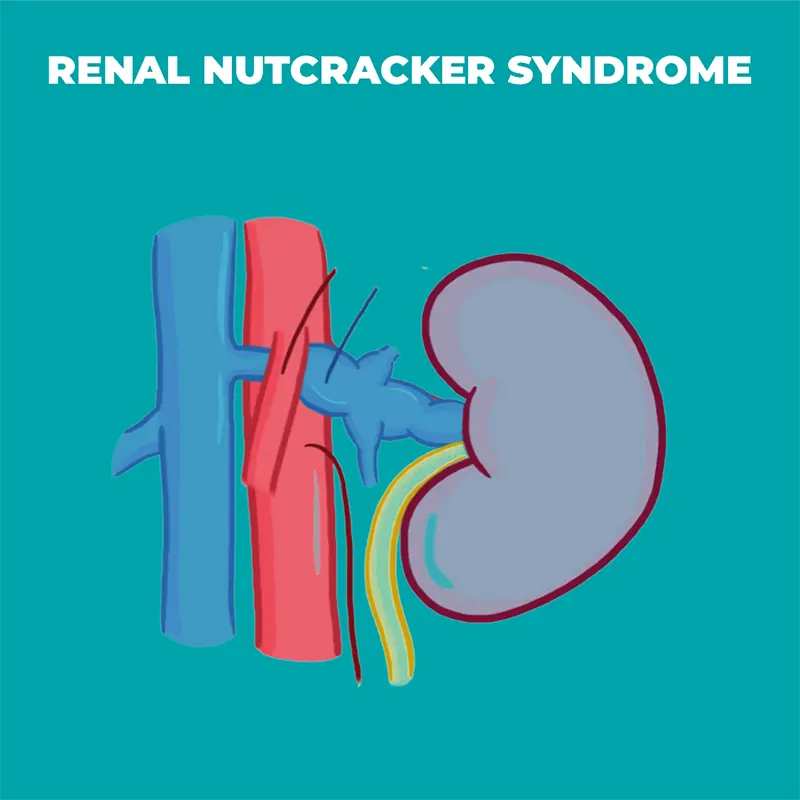
    Nutcracker Syndrome is a rare vascular disorder that occurs when the left renal vein is compressed between the aorta and the superior mesenteric artery. This compression can lead to a variety of symptoms and complications, including abdominal pain, hematuria, and varicocele. In this article, we will explore the causes, symptoms, diagnosis, and treatment options for Nutcracker Syndrome.

    Signs and Symptoms

    Nutcracker syndrome occurs when the left renal vein is compressed between the abdominal aorta and the superior mesenteric artery, leading to blood flow obstruction and increased pressure in the left kidney. This can cause a variety of symptoms, including:

    Hematuria (blood in urine): This is the most common symptom of nutcracker syndrome, and is caused by ruptured small veins in the bladder.

    Pain: Pain in the lower back, abdomen, or flank is common, and may be exacerbated by physical activity.

    Varicocele: Men may experience a swollen or enlarged vein in the scrotum, which can cause discomfort or pain.

    Dyspareunia: Women may experience pain during sexual intercourse.

    Orthostatic proteinuria: This is a condition in which a significant amount of protein is excreted in the urine when standing, but not when lying down.

    Complications of Nutcracker Syndrome

    Nutcracker Syndrome can lead to several complications if left untreated or undiagnosed. Some of the common complications include:

    Hematuria: Nutcracker Syndrome can cause blood in the urine, which is known as hematuria. This can occur due to the pressure on the renal vein, causing it to rupture.

    Chronic Fatigue: Patients with Nutcracker Syndrome may experience chronic fatigue due to decreased blood flow to the kidneys.

    Chronic Kidney Disease: Nutcracker Syndrome can cause chronic kidney disease, which is a condition that affects the function of the kidneys. It can lead to complications such as high blood pressure and anemia.

    Venous Congestion: Nutcracker Syndrome can cause venous congestion in the pelvic region, leading to varicocele in men or pelvic congestion syndrome in women.

    Nutcracker Syndrome can also lead to other complications such as blood clots, kidney stones, and urinary tract infections.

    It is important to seek medical attention if you experience any symptoms of Nutcracker Syndrome to prevent these complications.

    Who is at risk for Nutcracker Syndrome?

    Nutcracker Syndrome can affect individuals of any age, gender, or ethnicity. However, certain factors may increase the risk of developing this condition. These include:

    Females: Females are more likely to develop Nutcracker Syndrome than males, possibly due to the anatomical differences in their pelvic structures.

    Young adults: Nutcracker Syndrome is most commonly diagnosed in individuals between the ages of 20 and 40.

    Thin individuals: Individuals with a low body mass index (BMI) may be at a higher risk for Nutcracker Syndrome due to the lack of fat padding around the renal vein.

    Individuals with structural abnormalities: Anatomic abnormalities such as compression or narrowing of the renal vein can increase the risk of developing Nutcracker Syndrome.

    Athletes: High-intensity exercises can increase intra-abdominal pressure and cause compression of the renal vein, leading to Nutcracker Syndrome.

    Impact on Quality of Life

    Nutcracker syndrome can have a significant impact on an individual’s quality of life. Chronic pain, fatigue, and blood in the urine are common symptoms that can interfere with daily activities, work, and relationships. In some cases, the disease can also lead to anxiety and depression, further exacerbating the negative impact on quality of life. Timely diagnosis and management can help prevent or minimize these complications and improve the overall quality of life for individuals with Nutcracker syndrome.

    Diagnosis

    Diagnosing nutcracker syndrome can be challenging, as the symptoms can mimic other conditions. However, several tests may be used to identify the condition, including:

    Ultrasound: This non-invasive imaging test can detect changes in blood flow and vein size.

    CT scan: This test can provide detailed images of the veins and arteries in the abdomen.

    Renal vein pressure measurement: This invasive test involves placing a catheter into the renal vein to measure blood pressure and diagnose nutcracker syndrome.

    Clinical Trials and Innovative Treatments

    There is ongoing research into new treatments for Nutcracker Syndrome, and clinical trials are being conducted to evaluate their safety and efficacy. Some of the innovative treatments being studied include stenting, endovascular therapy, and laparoscopic autotransplantation of the left renal vein.

    Stenting involves the insertion of a small metal mesh tube into the affected vein to keep it open and prevent compression. Endovascular therapy uses a catheter to deliver medication or other treatment directly to the affected area. Laparoscopic autotransplantation of the left renal vein involves removing the left kidney and transplanting it in a different location to relieve the compression of the vein.

    While these treatments are still being studied and are not yet widely available, they offer hope for improved outcomes for individuals with Nutcracker Syndrome. It is important to discuss all treatment options with a healthcare professional and carefully consider the potential benefits and risks before making a decision.

    Treatment

    Treatment options for Nutcracker syndrome depend on the severity of the condition and the presence of symptoms. Mild cases may require no treatment, while more severe cases may require surgery or other interventions. Some treatment options include:

    Observation: In some cases, the condition may improve on its own or not cause significant symptoms, so no treatment may be necessary.

    Medications: Certain medications, such as blood thinners or pain relievers, may be used to manage symptoms.

    Surgery: If symptoms are severe or the condition is affecting kidney function, surgery may be necessary to relieve pressure on the renal vein.

    Stent placement: In some cases, a stent may be placed in the renal vein to help keep it open and relieve pressure.

    Embolization: This involves blocking off a portion of the renal vein to redirect blood flow and relieve pressure.

    Overall, it’s important to seek medical attention if you experience any symptoms of nutcracker syndrome, as early diagnosis and treatment can help prevent complications and improve outcomes.

    Survival Rates in Nutcracker Syndrome

    The survival rates for Nutcracker Syndrome are high, as it is a treatable condition. The outcome largely depends on the severity of the compression of the left renal vein and the extent of damage caused to the kidneys. With early diagnosis and proper treatment, the majority of patients with Nutcracker Syndrome experience significant improvement in their symptoms and have a favorable long-term prognosis. However, in some cases, if the condition is left untreated or the compression is severe, it can lead to chronic kidney disease or renal failure, which may require dialysis or a kidney transplant. Regular follow-up with a healthcare provider is essential to monitor the condition and prevent any potential complications.

  • Monkeypox Disease: Symptoms, Prevention, and Treatment Guide

    Monkeypox Disease: Symptoms, Prevention, and Treatment Guide

    Monkeypox is a rare but serious viral disease that causes symptoms similar to smallpox. While the disease is mostly found in remote parts of Central and West Africa, it can also be transmitted to other parts of the world. This comprehensive guide will cover everything you need to know about monkeypox, including its symptoms, prevention, and treatment.

    What is Monkeypox Disease and How Does it Spread?

    Monkeypox disease is a rare but serious illness caused by the monkeypox virus, a zoonotic disease that can be transmitted from animals to humans. The virus was first identified in 1958 when outbreaks of a pox-like disease occurred in monkeys kept for research. Since then, human cases have been reported sporadically in Central and West African countries. In recent years, there have been a few cases reported in other parts of the world, including the United States, Israel, and Singapore.

    How Does Monkeypox Virus Spread?

    The monkeypox virus is primarily an animal-borne virus that can be transmitted to humans through close contact with infected animals. The virus has been found in rodents, primates, and other animals, including squirrels, rodents, and rabbits. In Africa, the virus is commonly transmitted to humans through the handling of infected animals, such as hunting, preparing, or consuming bushmeat.

    Once a person is infected, the virus can be spread from human to human through close contact with bodily fluids or lesions of an infected person. This can include respiratory droplets or touching contaminated surfaces. The virus is not highly contagious and does not spread easily from person to person.

    Common Symptoms of Monkeypox and When to Seek Medical Attention

    Are you aware of the common symptoms of monkeypox? This zoonotic disease caused by the monkeypox virus can affect both humans and animals, and its symptoms may vary from mild to severe. Therefore, it’s essential to recognize the signs and know when to seek medical attention.

    The first symptoms of monkeypox are similar to those of flu-like illnesses, such as fever, headache, chills, and body aches. However, after a few days, a rash usually appears, starting on the face and then spreading to other parts of the body. The rash may evolve into pustules or nodules, which can be painful and itchy.

    Other possible symptoms of monkeypox include swollen lymph nodes, muscle stiffness, sore throat, cough, and fatigue. In severe cases, complications such as pneumonia, meningitis, and encephalitis may develop, which can be life-threatening.

    If you experience any of these symptoms and have been exposed to animals, especially rodents, primates, or squirrels, or have traveled to areas where monkeypox is endemic, you should seek medical attention promptly. Your healthcare provider may conduct diagnostic tests, such as a blood test or a skin biopsy, to confirm the diagnosis.

    Remember that monkeypox is a rare disease, but it’s essential to take precautions to prevent its spread, such as avoiding contact with sick animals, washing your hands frequently, and wearing protective clothing when handling animals. Stay informed, and if you have any concerns about your health, consult your healthcare provider.

    Prevention Strategies for Reducing the Risk of Contracting Monkeypox

    Preventative Measures Against Monkeypox:

    1. Avoid contact with animals infected with the virus: Monkeypox is primarily spread through contact with infected animals. Avoiding contact with animals such as monkeys, squirrels, and rodents can greatly reduce the risk of contracting the virus.
    2. Practice good hygiene: Frequent hand washing with soap and water is an effective way to prevent the spread of monkeypox. If soap and water are not available, alcohol-based hand sanitizers can also be used.
    3. Avoid consuming bushmeat: Bushmeat, which refers to the meat of wild animals, can be a source of monkeypox infection. Avoiding the consumption of bushmeat is an effective way to reduce the risk of contracting the virus.
    4. Wear protective clothing: If contact with infected animals cannot be avoided, it is important to wear protective clothing such as gloves and long-sleeved shirts to reduce the risk of exposure.
    5. Vaccination: Currently, there is a vaccine available for monkeypox that has been shown to be highly effective in preventing the disease. Individuals at high risk of exposure, such as those who work with animals, should consider getting vaccinated.

    Treatment Options for Those Infected with Monkey Pox

    While there is no specific cure for the disease, there are several treatment options available that can help to manage symptoms and improve outcomes.

    One of the main treatment strategies for monkeypox is the use of antiviral drugs. These drugs work by inhibiting the replication of the virus in the body, thereby reducing the severity of symptoms and helping the body to fight off the infection. Some of the antiviral drugs that are commonly used to treat monkeypox include cidofovir, brincidofovir, and acyclovir.

    In addition to antiviral drugs, supportive care is also an important part of managing monkeypox. This may include measures such as pain relief medication, fever-reducing drugs, and hydration therapy to prevent dehydration. Patients with severe cases of monkeypox may require hospitalization to receive more intensive care.

    It is important to seek medical attention promptly if you suspect that you may have been infected with monkeypox, as early treatment can help to improve outcomes and reduce the risk of complications.

    Conclusion

    In short, monkeypox is a rare but serious zoonotic disease that can be contracted through contact with infected animals or their bodily fluids. Symptoms include fever, rash, chills, headache, and body aches, which can be managed with supportive care and antiviral medication. To reduce the risk of contracting monkeypox, it is important to practice good hygiene, avoid contact with wild animals, and seek medical attention if you experience any symptoms. By taking these preventative measures, you can help protect yourself and others from this potentially dangerous disease.

  • Papillary Thyroid Carcinoma: Guide to Causes, Symptoms, Treatment

    Papillary Thyroid Carcinoma: Guide to Causes, Symptoms, Treatment

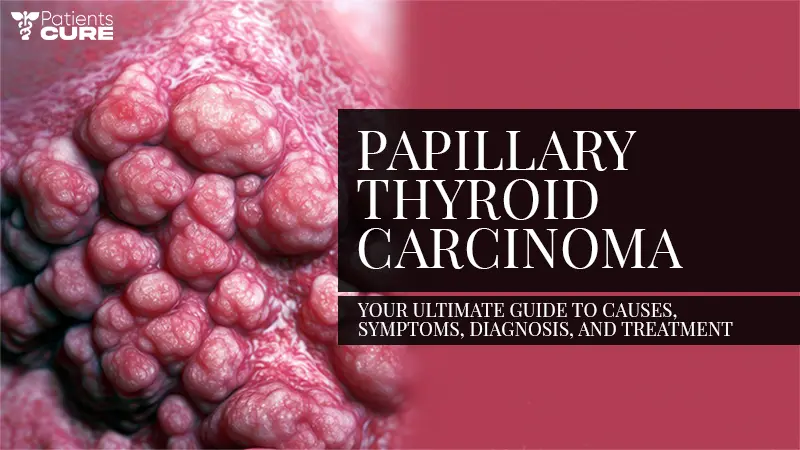
    Papillary Thyroid Carcinoma is the most common type of thyroid cancer, accounting for over 80% of all cases. Unlike other types of thyroid cancer, Papillary Thyroid Carcinoma grows slowly and is usually contained within the thyroid gland. This makes it easier to treat and has a higher survival rate compared to other types of thyroid cancer.

    Papillary Thyroid Carcinoma develops in the follicular cells of the thyroid gland, which are responsible for producing hormones that regulate the body’s metabolism. It is characterized by the formation of small, finger-like projections known as papillae, which can be seen under a microscope. This is why it is referred to as Papillary Carcinoma.

    Although Papillary Thyroid Carcinoma can occur at any age, it is most commonly diagnosed in people between the ages of 30 and 50 and is more common in women than in men.

    If you suspect you may have Papillary Thyroid Carcinoma, it is important to seek medical attention promptly. A timely diagnosis and treatment can significantly improve your chances of survival.

    Understanding the Risk Factors for Papillary Thyroid Carcinoma

    Papillary thyroid carcinoma (PTC) is a type of thyroid cancer that develops in the cells that produce thyroid hormones. It typically grows slowly and is usually curable if detected early. However, like all cancers, it can be life-threatening if left untreated. While the exact cause of PTC is not known, certain risk factors have been identified that can increase the likelihood of developing this type of cancer.

    Genetic Factors

    In some cases, PTC may run in families. If a person has a first-degree relative (parent, sibling, or child) who has had PTC, their risk of developing the disease is higher than the general population. Additionally, certain genetic mutations have been linked to an increased risk of PTC. These mutations can be inherited or acquired during a person’s lifetime and can affect the way cells grow and divide.

    Environmental Factors

    Exposure to radiation, especially in childhood or adolescence, has been linked to an increased risk of PTC. This may include exposure to medical radiation such as CT scans, X-rays, or radiation therapy, or exposure to environmental radiation such as fallout from nuclear accidents. Iodine deficiency, which is more common in areas where the soil is low in iodine, may also increase the risk of PTC. Other potential environmental factors that may increase the risk of PTC include exposure to certain chemicals, such as pesticides, and a diet high in animal fat.

    Reducing Your Risk

    While there is no surefire way to prevent PTC, there are steps you can take to reduce your risk. If you have a family history of thyroid cancer, talk to your doctor about whether you should be screened for PTC. If you have been exposed to radiation, be sure to inform your doctor, as they may recommend more frequent screening. To ensure that you are getting enough iodine in your diet, eat a balanced diet that includes iodine-rich foods such as seafood, dairy products, and iodized salt.

    While there is no way to eliminate the risk of PTC, understanding the risk factors associated with this type of cancer can help you take steps to reduce your risk. If you have concerns about your risk of PTC, talk to your doctor about screening and other ways to protect your health.

    Signs and Symptoms of Papillary Thyroid Cancer

    Papillary thyroid carcinoma is a type of cancer that can manifest itself in various ways. One of the most common signs of papillary thyroid cancer is the presence of a nodule on the neck. This nodule may or may not cause any discomfort or pain, but it can be felt and seen on the surface of the skin.

    Other signs and symptoms of papillary thyroid carcinoma may include persistent hoarseness in the voice, difficulty swallowing, and swollen lymph nodes in the neck. Fatigue, unexplained weight loss, and increased appetite may also be indicators of papillary thyroid cancer.

    In some cases, cancer may spread beyond the thyroid gland and cause pain or discomfort in other parts of the body, such as the bones or lungs. However, these symptoms are less common and may only occur in more advanced stages of the disease.

    It is important to note that many of these symptoms can be caused by other medical conditions, and a diagnosis of papillary thyroid carcinoma can only be confirmed through proper testing and evaluation by a medical professional. If you experience any of these symptoms or have concerns about your thyroid health, it is important to speak with your healthcare provider to determine the appropriate course of action.

    Diagnosing & Treating Papillary Thyroid Carcinomas

    Diagnosing papillary thyroid carcinomas typically involves a series of tests and examinations. Firstly, a physical exam is conducted to check for any lumps or nodules on the thyroid gland. The doctor may also perform a blood test to check the levels of thyroid hormone and thyroid-stimulating hormone. Imaging tests, such as ultrasound, CT scan, or MRI, may also be recommended to visualize the thyroid gland and determine if there are any abnormalities.

    If a nodule is found, a fine-needle aspiration biopsy may be performed to collect a small sample of tissue for examination under a microscope. This can help determine if the nodule is cancerous or benign.

    If the biopsy confirms papillary thyroid carcinoma, the treatment options may include surgery, radioactive iodine therapy, and hormone therapy. Surgery is typically the primary treatment option for papillary thyroid carcinoma and involves removing the affected thyroid gland. In some cases, lymph nodes in the neck may also be removed.

    Radioactive iodine therapy involves taking a radioactive form of iodine orally, which is then absorbed by the thyroid gland and destroys any remaining cancerous cells. Hormone therapy involves taking medication to replace the thyroid hormone that the body can no longer produce after surgery. This helps maintain the body’s normal metabolism and prevents the growth of any remaining cancerous cells.

    It’s important to work closely with a healthcare team to determine the best treatment plan for papillary thyroid carcinoma based on the individual’s specific case and overall health.

    Precautions and Control

    While it is not always possible to prevent papillary thyroid carcinoma, there are some measures you can take to reduce your risk of developing this type of cancer:

    1. Get regular check-ups: Routine check-ups with your doctor can help identify any abnormalities early on, allowing for prompt diagnosis and treatment.
    2. Manage your iodine intake: High levels of iodine intake have been linked to an increased risk of thyroid cancer. Be mindful of your intake of iodine-rich foods and supplements.
    3. Limit radiation exposure: Radiation exposure, particularly during childhood, is a known risk factor for thyroid cancer. Limit your exposure to radiation by avoiding unnecessary medical tests and procedures.
    4. Be aware of your family history: A family history of thyroid cancer may increase your risk of developing papillary thyroid carcinoma. Talk to your doctor about any family history of thyroid cancer.

    Treatment for papillary thyroid carcinoma typically involves surgery to remove the thyroid gland, followed by radioactive iodine therapy to destroy any remaining cancer cells. Your doctor may also recommend hormone replacement therapy to regulate your thyroid hormone levels.

    In conclusion, while papillary thyroid carcinoma can be a serious condition, early diagnosis, and prompt treatment can lead to a favorable outcome. By taking steps to reduce your risk and seeking medical attention if you notice any concerning symptoms, you can protect your thyroid health and overall well-being.

  • Making the Most of Mental Health Awareness Month

    Making the Most of Mental Health Awareness Month

    May is Mental Health Awareness Month, a time dedicated to raising awareness and promoting the importance of mental health and well-being. With the pandemic and other stressors impacting people’s mental health, it’s more important than ever to prioritize mental wellness and character building. In this guide, we’ll explore different ways to support mental health and well-being, from self-care practices to building character strengths. Whether you’re struggling with your mental health or want to support a loved one, this guide will provide practical tips and resources to help you make the most of Mental Health Awareness Month and beyond.

    Introduction: Mental Health Awareness Month – What’s It All About?

    Mental Health Awareness Month is observed annually in May to raise awareness and promote the importance of mental health and well-being. This month-long observance is dedicated to reducing the stigma around mental illness, promoting mental wellness, and supporting individuals in achieving optimal psychological well-being. Mental health is a crucial component of overall health and wellness, and this month provides an opportunity to highlight the importance of taking care of our minds and building our character strengths. In this blog post, we’ll explore different ways to support mental health and well-being, from practicing self-care to developing character strengths that can help us navigate life’s challenges.

    Q1 – What Are the Different Practices that Promote Mental Wellness?

    Several practices can promote mental wellness and support overall psychological well-being. Some of these include:

    1. Mindfulness practices: Mindfulness is the practice of being present at the moment and fully engaged in what is happening around us. This can include meditation, breathing exercises, and other techniques that help us focus on the present moment.
    2. Relaxation techniques: Relaxation techniques such as deep breathing, progressive muscle relaxation, and guided imagery can help reduce stress and promote relaxation and calm.
    3. Cognitive-behavioral therapy (CBT): CBT is a type of therapy that helps individuals identify and change negative thought patterns and behaviors that may be contributing to mental health concerns.
    4. Stress and anxiety management: Techniques such as exercise, yoga, and journaling can help manage stress and anxiety and promote overall mental wellness.

    By incorporating these practices into our daily lives, we can support our mental health and well-being and build resilience to life’s challenges. It’s important to find the practices that work best for us and to make them a regular part of our self-care routine.

    Q2 – How to Foster Positive Habits That Support and Maintain Good Mental Health?

    Fostering positive habits can be an effective way to support and maintain good mental health. Here are some ways to cultivate positive habits:

    1. Establish a self-care routine: Self-care routines can include activities such as exercise, meditation, journaling, or spending time with loved ones. Making self-care a regular part of our routine can help reduce stress and promote overall well-being.
    2. Practice positive thinking: Cultivating positive thinking habits, such as practicing gratitude and reframing negative thoughts, can help shift our mindset and promote a more positive outlook on life.
    3. Make positive lifestyle changes: Making positive lifestyle changes such as getting enough sleep, eating a healthy diet, and limiting alcohol and drug use can have a positive impact on mental health and well-being.
    4. Seek support when needed: It’s important to seek support when needed, whether it’s through therapy, talking to a trusted friend or family member, or joining a support group. Taking care of our mental health is just as important as taking care of our physical health, and seeking support when needed can help us maintain good mental health in the long term.

    By cultivating positive habits and incorporating them into our daily lives, we can support and maintain good mental health and well-being.

    Q3 – What Are Some Effective Ways to Cope with Stress and Mental Illnesses?

    Coping with stress and mental illnesses can be challenging, but there are effective strategies that can help. Here are some ways to cope with stress and mental illnesses:

    1. Seek professional help: If you’re struggling with a mental illness, it’s important to seek professional help from a licensed therapist or mental health professional. They can provide guidance and support in managing symptoms and developing coping strategies.
    2. Practice relaxation techniques: Relaxation techniques such as deep breathing, meditation, and progressive muscle relaxation can help reduce stress and promote relaxation.
    3. Engage in regular exercise: Regular exercise can help reduce symptoms of depression and anxiety and promote overall well-being.
    4. Maintain a healthy lifestyle: Eating a healthy diet, getting enough sleep, and avoiding alcohol and drug use can also help promote mental health and well-being.
    5. Connect with others: Building and maintaining social connections with family and friends can help reduce feelings of isolation and loneliness, which are common symptoms of mental illnesses.

    By incorporating these coping strategies into our daily lives, we can support our mental health and well-being and build resilience to life’s challenges. It’s important to find the coping strategies that work best for us and to seek professional help when needed.

    Q4 – How Can We Help Those Around Us Who Are Struggling With Their Mental Health?

    Supporting those around us who are struggling with their mental health is an important part of building a supportive and compassionate community. Here are some ways we can help those around us who are struggling with their mental health:

    1. Listen without judgment: Simply being present and listening without judgment can make a big difference to someone who is struggling with their mental health. It’s important to let them know that you’re there to support them and that you care about their well-being.
    2. Offer practical support: Offering practical support, such as helping with errands or cooking meals, can help alleviate some of the stress and burden that someone may be experiencing.
    3. Educate yourself: Educating yourself about mental health conditions and treatment options can help you better understand what someone may be going through and how you can best support them.
    4. Encourage professional help: Encourage those who are struggling to seek professional help from a licensed therapist or mental health professional. Let them know that it’s okay to ask for help and that seeking support is a sign of strength.
    5. Check-in regularly: Regularly checking in on someone and asking how they’re doing can show that you care and help them feel supported.

    By taking these steps, we can help create a more supportive and compassionate community and support those around us who are struggling with their mental health.